How to Ship Personal Belongings to the Philippines: Costs, Customs Rules & What Expats Should Know
Shipping Options to the Philippines
The three main ways foreigners ship belongings
If you're relocating to the Philippines for work, retirement, or a long stay, you may want to bring personal belongings with you. Fortunately, there are several ways to ship items internationally, and each option fits different budgets and timelines.
The most common methods are air freight, sea freight, and courier shipping. Air freight is the fastest but also the most expensive. Sea freight takes longer but is significantly cheaper for larger shipments like furniture or multiple boxes.
Courier services such as DHL or FedEx are often used for smaller packages. These shipments arrive quickly, though customs clearance can still add a few days before delivery.
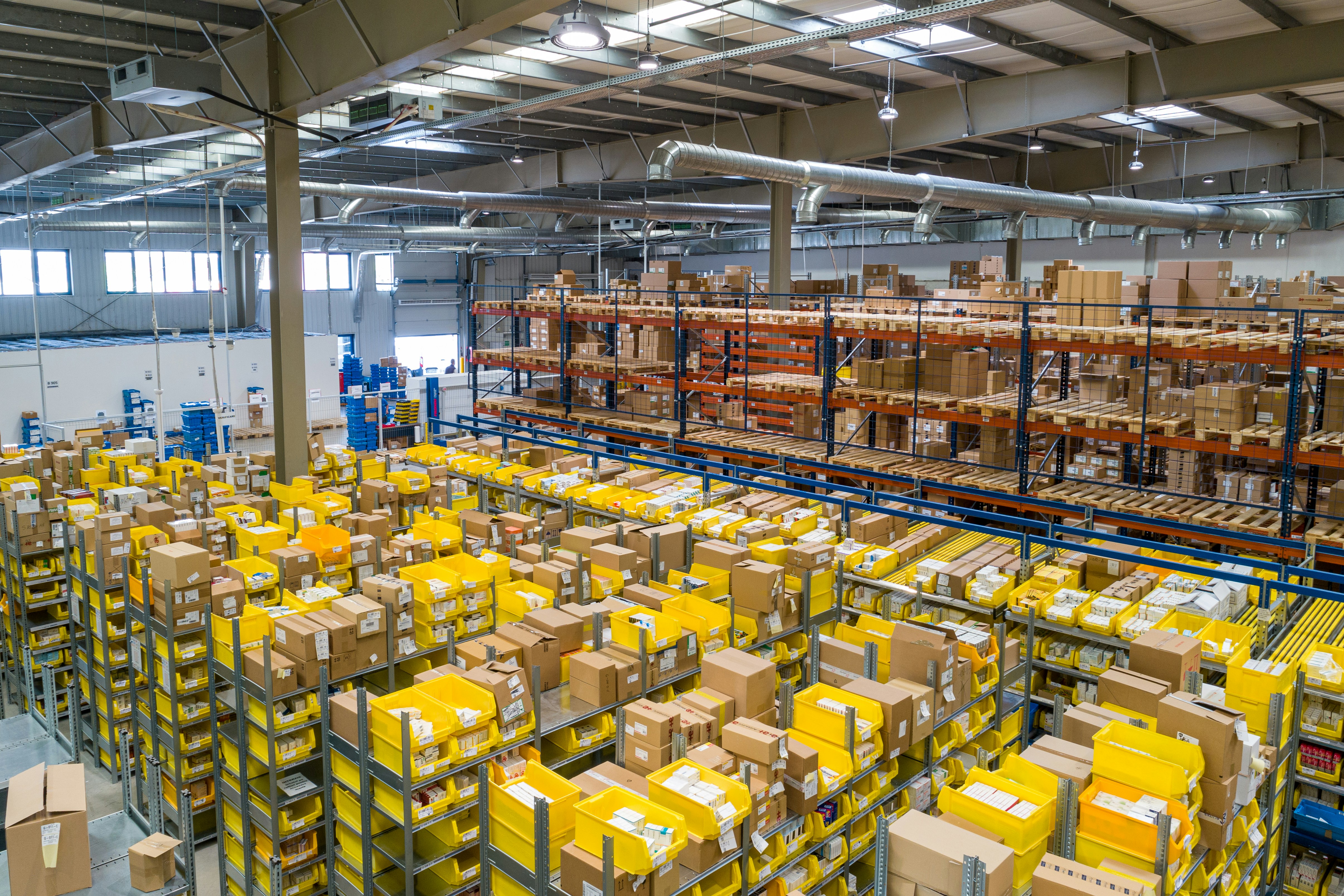
Typical Shipping Costs
What expats usually pay
The cost of shipping personal belongings to the Philippines depends heavily on where you're shipping from and how much you're sending. Smaller packages may cost under a few hundred dollars, while full household shipments can reach several thousand.
For many foreigners moving to Manila, the most common shipment is a few boxes of personal items rather than full furniture loads. Electronics, clothing, and work equipment tend to be the most frequently shipped belongings.
Shipping companies typically price shipments based on weight, volume, and delivery speed.

Common shipping price ranges
- Small packages: $80 – $300
- Multiple boxes via air freight: $500 – $2,000
- Half-container sea shipment: $2,000 – $5,000
Philippine Customs Rules
Documents and regulations you should know
Customs clearance is the part that surprises many foreigners when shipping belongings to the Philippines. Even when the items are clearly personal goods, documentation is usually required before the shipment can be released.
The process typically involves submitting a packing list, declaring the value of items, and providing identification such as a passport copy. If the shipment appears commercial in nature, customs may apply additional taxes.
Working with an experienced international moving company or freight forwarder can simplify this process significantly.
- Packing list detailing shipment contents
- Passport copy of the recipient
- Declared value of goods being imported
What Expats Actually Bring
Joshua’s observations from hosting foreign guests
One thing I’ve noticed hosting guests in Makati and BGC is how surprised people are when they walk into a Manila condo for the first time. Most units are already furnished with beds, sofas, kitchen basics, and even appliances.
Because of that, many foreigners realize they probably didn’t need to ship as much as they thought. Large furniture especially becomes unnecessary once they see how fully equipped many condos already are.
Another thing that catches people off guard is storage space. Closets in Manila condos are often smaller than what people are used to back home, so guests tend to keep only the essentials they use regularly.
Back to top ↑“Most expats who stay with us end up saying the same thing: bring the personal items you care about, but don’t ship your entire house.”
Should You Ship or Buy Locally?
What most expats eventually decide
For many foreigners relocating to the Philippines, the most practical strategy is to ship only the items that are difficult to replace. This often includes electronics, work equipment, or sentimental belongings.
Furniture and household items are often easier to purchase locally. Manila has major shopping centers, furniture stores, and international retailers that make setting up a condo surprisingly easy.
After settling in, many expats find that adjusting their belongings to match their new living space actually simplifies daily life.
Good items to bring with you
- Personal electronics and work equipment
- Sentimental or hard-to-replace items
- Specialty kitchen tools or hobby equipment
Want a ready-to-move-in place in the right neighborhood? 👉 https://www.manilanests.com/properties